The world of search is experiencing a groundbreaking shift, and Generative Engine Optimization (GEO) is at the forefront of this evolution. As AI-driven platforms like Google’s Search Generative Experience (SGE), ChatGPT, and Microsoft Copilot transform how users access and interact with information, traditional SEO techniques alone are no longer sufficient. Generative Engine Optimization focuses on optimizing content specifically for AI-generated responses, ensuring that brands remain visible and competitive in this new search landscape. Unlike conventional SEO, which centers on keyword targeting and backlinks, Generative Engine Optimization prioritizes context, relevance, and authority to meet the needs of AI-driven engines. It’s revolutionizing how content is ranked, discovered, and presented to users by emphasizing structured data, conversational search, and intent-driven optimization.
For businesses and marketers, mastering Generative Engine Optimization in 2025 will be critical to staying ahead, as it redefines the rules of digital marketing and opens new opportunities for engagement and growth.
What is Generative Engine Optimization?
Generative Engine Optimization (GEO) is the process of optimizing content specifically for AI-driven search engines that deliver direct, conversational answers instead of just displaying a list of links. In this new era of search, platforms like Google’s Search Generative Experience (SGE), ChatGPT, and Microsoft Copilot are changing how users access information, pulling insights from multiple authoritative sources to create comprehensive responses.
Unlike traditional SEO, which relies heavily on keywords, backlinks, and ranking factors, Generative Engine Optimization focuses on making content AI-friendly — ensuring that it’s structured, context-rich, and trustworthy enough to be cited within AI-generated answers.
When a user asks a question in ChatGPT or Google SGE, the AI scans vast amounts of data to deliver the most relevant and reliable response. If your content is properly optimized for Generative Engine Optimization, it significantly increases your chances of being referenced in those AI-driven outputs — offering a level of visibility and authority that traditional search simply cannot provide.
For businesses, mastering Generative Engine Optimization in 2025 means staying ahead of the competition, dominating AI-powered search results, and future-proofing their digital marketing strategy.
Why Generative Engine Optimization is Changing the Game
Traditional SEO relied heavily on ranking positions and driving clicks from search results pages. But with AI-generated answers:
Users Get Instant Answers – They no longer need to browse through multiple links.
Content Selection is More Exclusive – AI platforms select only the most authoritative sources.
Context Matters More Than Keywords – Generative Engine Optimization prioritizes content that fully addresses user intent.
This change requires marketers to reconsider their approach to content creation and optimization in order to remain competitive.
Key Strategies for Generative Engine Optimization
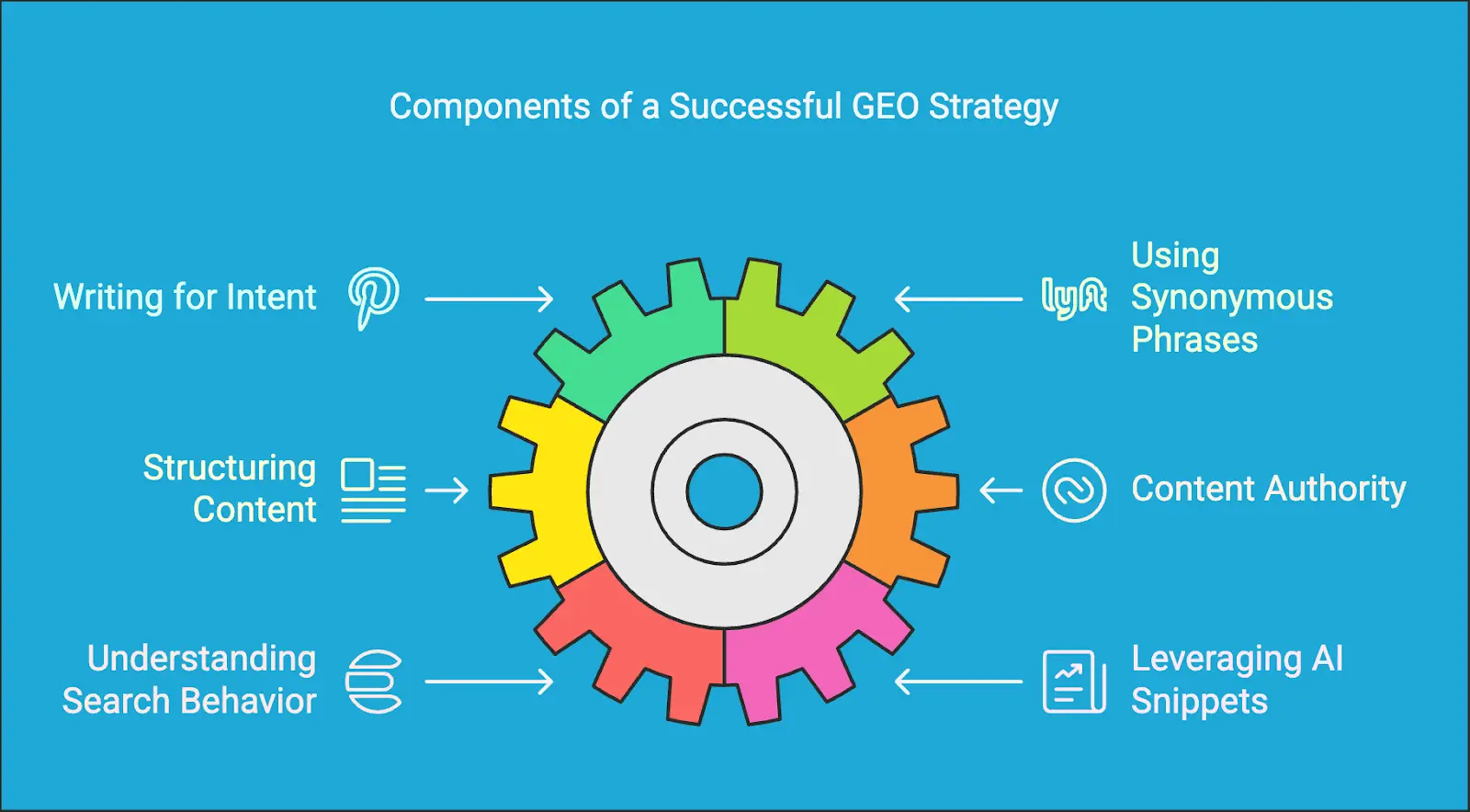
To succeed in the rapidly evolving AI-driven search landscape, businesses and marketers must align their strategies with Generative Engine Optimization (GEO) principles. This approach ensures that content is optimized not only for human readers but also for AI systems that curate and deliver answers.
Generative Engine Optimization focuses on creating authoritative, context-rich, and semantically structured content that AI-powered search engines like Google’s Search Generative Experience (SGE), ChatGPT, and Microsoft Copilot can easily understand and reference. By incorporating elements such as schema markup, conversational keyword targeting, and comprehensive topic coverage, you increase the likelihood of your content being featured in AI-generated results. Embracing Generative Engine Optimization is no longer optional — it’s essential for maintaining visibility, driving traffic, and staying competitive in a world where search engines are powered by artificial intelligence.
1. Provide Comprehensive, Authoritative Content
AI-powered search engines prioritize in-depth, well-researched content, making quality a critical factor in achieving Generative Engine Optimization (GEO) success. To stand out in this evolving search landscape, your articles must go beyond surface-level information and provide genuine value backed by credible data, expert insights, and actionable recommendations.
Generative Engine Optimization thrives on content that thoroughly answers user intent, covers topics comprehensively, and demonstrates subject-matter authority — elements AI systems look for when selecting sources to cite in generated responses. By incorporating statistics, case studies, structured formatting, and clear takeaways, you increase the likelihood of your content being chosen by platforms like Google’s Search Generative Experience (SGE), ChatGPT, or Microsoft Copilot. The more useful and authoritative your content, the stronger your Generative Engine Optimization performance will be, helping you secure higher visibility in AI-driven search results.
2. Answer Questions Directly
Structuring your content effectively is a crucial part of achieving success with Generative Engine Optimization (GEO). AI-driven search engines like Google’s Search Generative Experience (SGE) and ChatGPT prioritize content that delivers clear, direct, and organized answers to user queries. To optimize for Generative Engine Optimization, use descriptive headers, subheadings, and bullet points that break down complex information into easily digestible sections.
Incorporating FAQs and concise, targeted explanations ensures that your content aligns with how AI systems parse and summarize information for users. This approach not only improves readability but also increases the chances of your content being featured in AI-generated responses, driving more visibility and authority in the evolving search landscape. Well-structured, query-focused content is no longer just a best practice — it’s a requirement for effective Generative Engine Optimization.
3. Use Structured Data & Schema
Schema markup plays a vital role in strengthening your Generative Engine Optimization (GEO) strategy. By adding structured data to your web pages, you help AI-driven search engines like Google’s Search Generative Experience (SGE) and ChatGPT better understand the meaning, relationships, and context of your content. This enhanced clarity allows your content to be recognized as a credible and authoritative source, increasing the likelihood of it being featured in AI-generated responses.
For effective Generative Engine Optimization, implement schema types such as FAQs, How-To, Product, Review, and Article schemas to provide detailed metadata that aligns with user intent. When AI systems can accurately interpret and categorize your content, it significantly boosts your visibility in generative search results, giving you a competitive edge in the evolving world of AI-driven search.
4. Build Topical Authority
Covering topics thoroughly and consistently is essential for success with Generative Engine Optimization (GEO). AI-driven search engines like Google’s Search Generative Experience (SGE) and ChatGPT favor content that demonstrates authority, expertise, and reliability in a specific niche.
When you create comprehensive, in-depth resources that address every angle of a subject, you signal to AI systems that your content is a trusted source worthy of inclusion in AI-generated responses. For effective Generative Engine Optimization, build topic clusters, interlink related articles, and maintain a consistent publishing schedule to establish topical authority. The more expertise you showcase across your content, the higher the chances that generative search engines will prioritize and feature your material
5. Optimize for Conversational Queries
AI platforms like Google’s Search Generative Experience (SGE), ChatGPT, and Microsoft Copilot rely heavily on natural language processing (NLP) to understand user intent and deliver accurate answers. To succeed with Generative Engine Optimization (GEO), you must create content that mirrors how real people ask questions in everyday language.
Incorporate conversational phrasing, long-tail keywords, and question-based formats like “how,” “why,” and “what” to align with user queries. By writing in a natural, human-like tone, your content becomes more AI-friendly, increasing its chances of being cited in AI-generated search results. Effective Generative Engine Optimization means understanding both the technical and linguistic needs of AI systems, ensuring your content remains visible and relevant in the evolving search landscape.
Generative Engine Optimization vs. Traditional SEO
The key difference between Traditional SEO and Generative Engine Optimization lies in their goals, focus, and user experience. Traditional SEO aims to rank high on search engine results pages (SERPs) by relying heavily on keywords and backlinks, driving users to click through multiple links to find information. In contrast, Generative Engine Optimization focuses on getting content featured directly in AI-generated answers. It emphasizes context, authority, and relevance rather than just keyword density. While traditional SEO depends on click-based navigation, Generative Engine Optimization delivers instant, AI-driven responses, giving users exactly what they need without additional searching.
The Future of Content Ranking

With Generative Engine Optimization, content ranking is no longer about being on page one—it’s about being the source AI trusts. Companies that adapt to this change ahead of others will secure a major edge over their competitors.
As AI continues to evolve, Generative Engine Optimization will become a core part of digital strategy. Those who adapt will thrive; those who don’t risk losing visibility in the new era of search.
Final Thoughts
Generative Engine Optimization isn’t just a trend—it’s the future of how content is discovered online. By creating authoritative, structured, and context-driven content, you can secure your place in AI-generated answers and stay ahead of competitors.
Now is the time to embrace Generative Engine Optimization—because the way content ranks will never be the same again.for more details jaseela.in